Queer in Amsterdam
written by Tim van Erp, photos by Martijn Gijsbertsen

This article appeared today, July 18, in *Trouw*, a Dutch morning newspaper with more than 160,000 subscribers.
The interview was written by Tim van Erp, and the photos were taken by Martijn Gijsbertsen.
An exhibition featuring these photos, as well as photos of twelve other queer people from Amsterdam, is on display at Amsterdam City Hall through the end of September.
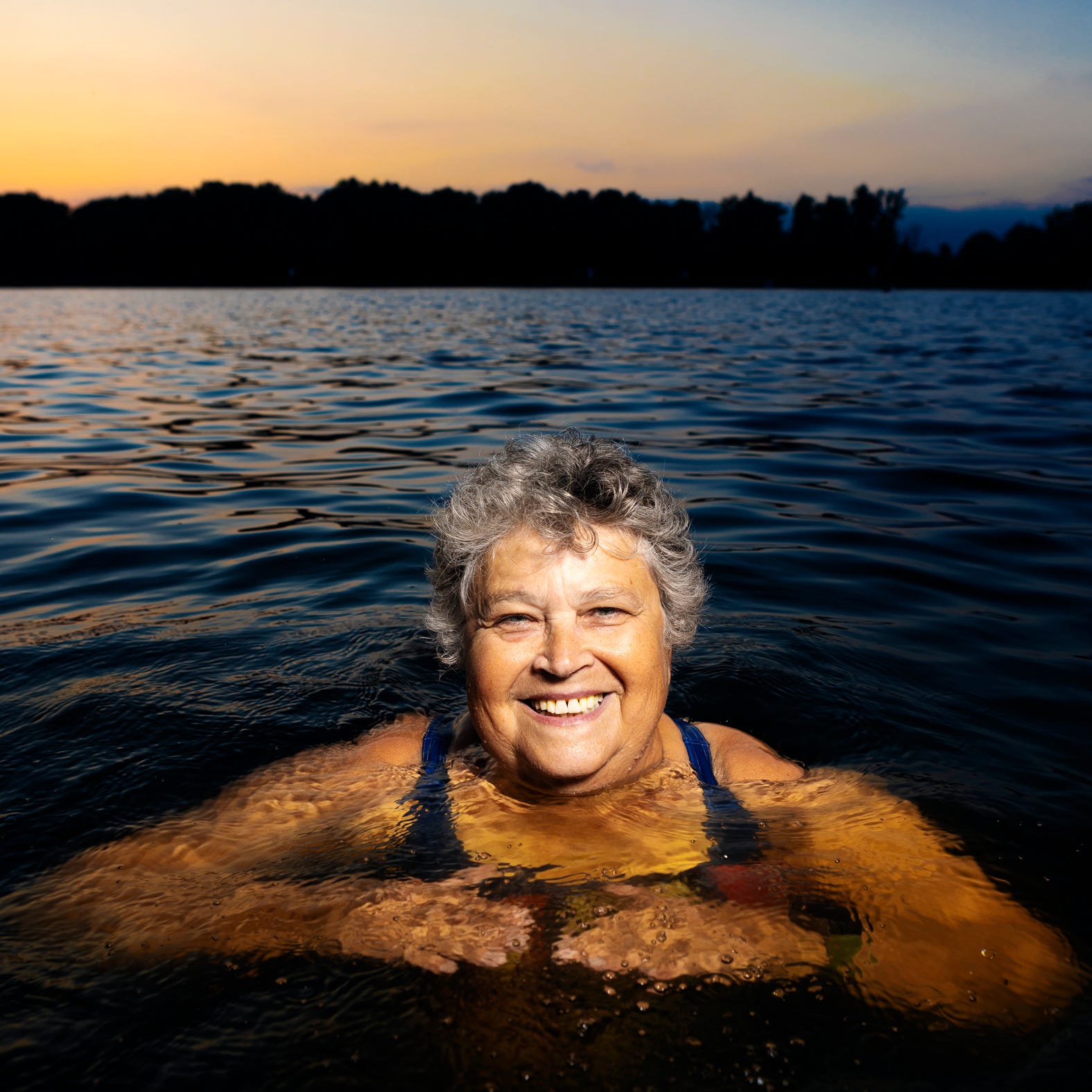
“When I was growing up, I didn’t know anyone who was gay.”
“Your favorite lesbian grandma”—that’s what Dia Huizinga has been calling herself for the past few years. The nickname originated at her swim club, Gay Swim Amsterdam, where a new member asked her questions about her past. “Like, was I there when the women’s café Saarein opened in 1978, for example? Yes, I was there. As we were talking, I thought: I could be your mother. But she was twenty and I was seventy, so that thought didn’t quite add up. I realized I could be her grandma.”
Huizinga smiles, saying she doesn’t know if that lesbian grandma is necessarily a wise woman. But she’s been through a lot—and she never gets tired of answering questions about the past. “I actually think it’s very important that I answer them. So that younger generations are aware of everything that came before them.”
Getting older inevitably brings changes. “Starting when I turned forty, people looked at me differently when I went out. Like an old lady. Back then, I used to go to the women’s dance night at the COC every week. When I first got that look—like, ‘What are you doing here?’—I didn’t like it one bit. After a while, I stopped going out. I kept getting the feeling that I didn’t belong.”
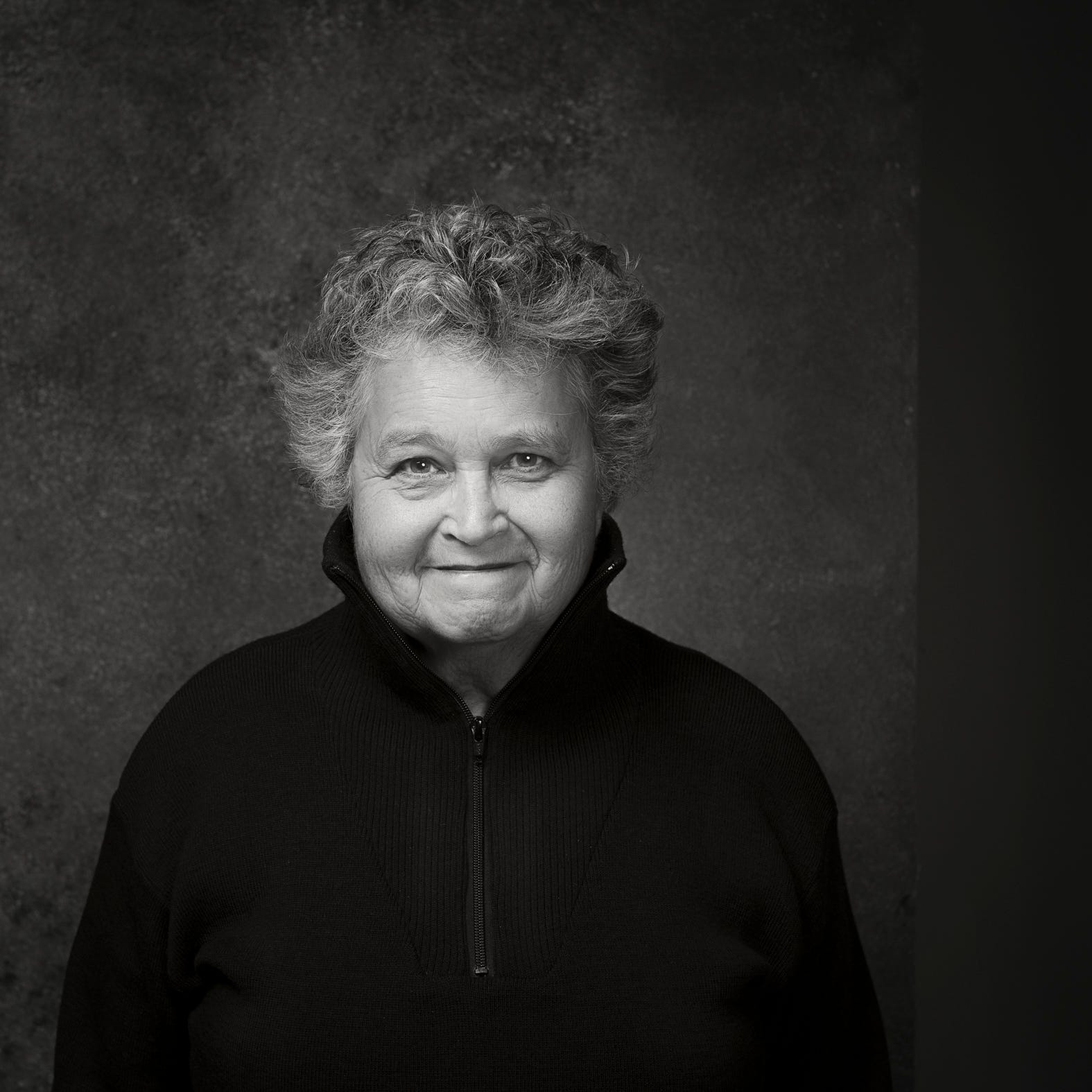
At this age, things are different again. “A few years ago, I decided to go to the queer festival Milkshake with a younger friend—I’ve been there three times now. People kept coming up to me the whole time to say how nice they thought it was that I was there. A long time ago, I worked at the Melkweg, and I really enjoyed seeing older people out there dancing, too.”
Not Talking to Men
Huizinga grew up in Hilversum, which she found stifling. “Even as a small child, I thought: I have to go to Amsterdam. I knew from the age of ten that I was a lesbian, but I struggled with it a lot. I didn’t know anyone who was gay. Well, one gay man from TV, Albert Mol. When I was a teenager, most people saw it as a great sin.”
Once in the capital, she got to know many other queer women. “I soon took an active role in the lesbian movement. I was a radical lesbian. Every day I was at the Vrouwenhuis on Nieuwe Herengracht as part of a group of anarchist lesbians fighting against the patriarchy.
“We only went out to women’s cafés or women’s nights. I didn’t talk to men—not even gay men. We kept those worlds separate for fifty years. I think we women felt the need to separate ourselves, to find ourselves.”
Back then, she says, it was “in” to be progressive in her circles. “I feel like it’s very different now. The idea that there are so many young guys who think someone like Andrew Tate is great really upsets me.”
She’s still a bit anti-bourgeois. “When marriage was opened up to same-sex couples in 2001, I didn’t see the point at all. I thought marriage was for straight people. Now, on the contrary, I think it’s wonderful that the youngest generation of queers doesn’t know any better than that they’re allowed to get married.”
Tim van Erp
Mooi stuk en prachtige foto’s. Er is inderdaad veel gebeurd in al die jaren.
I love the beautiful texts you are sending around to straights and gays nowadays I have always loved you and before you, even my own mother , of course when she was still alive... met a well known dutch lesbian photographer called rozetta zeegers who converted my mother and so mother and daughter were both gay in our own way. Mind you sexually I had the most sexual pleasures with men , because I did like to be penetrated by a male sex toy hahaha.